


Herbs & Spices
Ginger: The Golden Root of Goodness
Apr
Ginger: The Golden Root of Goodness
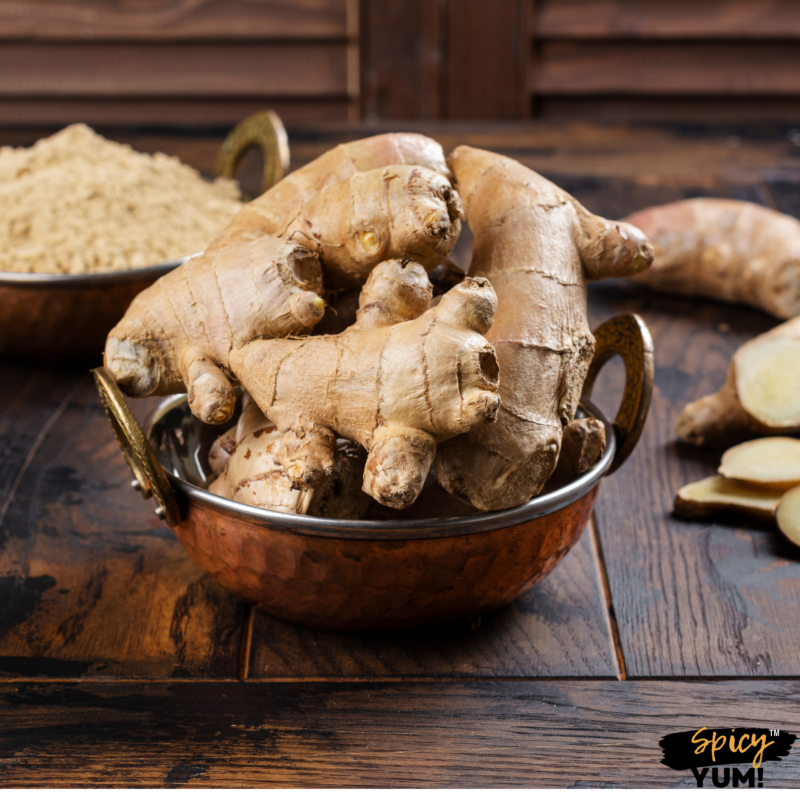
Walk into any kitchen across the world, and chances are, you’ll find a small knobby root sitting in a basket or tucked into a spice jar. It’s spicy, warm, and zesty—and it goes by the name Ginger. This humble root has been used for thousands of years across cultures, not just to flavor food but to support health and well-being.
So, what makes ginger so special? Let’s dig into the world of this golden root—from its roots (pun intended!) to how you can use it in your kitchen and even your wellness routine.
🌍 Where It All Began: A Bit of Ginger History
Ginger (Zingiber officinale) has a long and colorful history. Native to Southeast Asia, it was one of the first spices exported from Asia during the spice trade. Traders carried it to the Middle East and Europe, where it was treasured for its medicinal and culinary uses.
Add Any content here
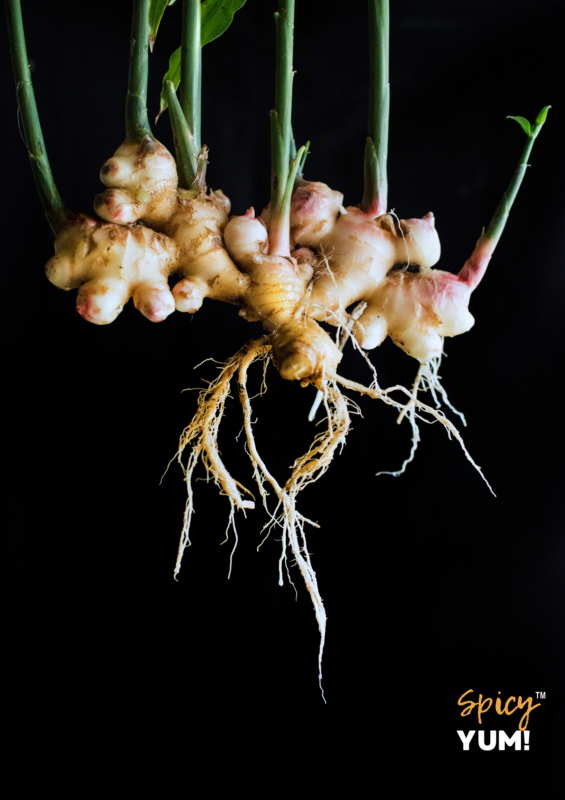
In ancient China and India, ginger wasn’t just a kitchen staple—it was a powerful healing agent in traditional medicine. Ancient Greeks ate it wrapped in bread to aid digestion (think of that as the earliest form of gingerbread!). And in West African homes, ginger-infused drinks, stews, and teas have long been part of daily life and cultural traditions.
What’s Inside Ginger?
Ginger is packed with bioactive compounds—the stars being gingerols and shogaols, which are responsible for its strong aroma and spicy kick.
Key Nutritional Components:
- Gingerol – anti-inflammatory and antioxidant powerhouse.
- Vitamins – B6, C, and some minerals like magnesium, potassium, and manganese.
- Fiber – helpful for digestion.
- Essential oils – gives ginger its aromatic profile.
These compounds don’t just spice up your meals—they support your body in some pretty impressive ways.
Health Benefits of Ginger (Backed by Science)
Soothes Nausea and Morning Sickness
Ginger is often a go-to remedy for queasiness, especially during pregnancy, after surgery, or during travel. A warm ginger tea or a few bites of candied ginger can calm an upset stomach.
Eases Digestive Discomfort
It helps stimulate digestion, reduce bloating, and support gut health. That’s why ginger tea is often served after meals in many cultures.
Natural Anti-inflammatory
Ginger’s anti-inflammatory compounds may help reduce joint pain and stiffness, especially for those dealing with arthritis or muscle soreness.
Boosts Immunity
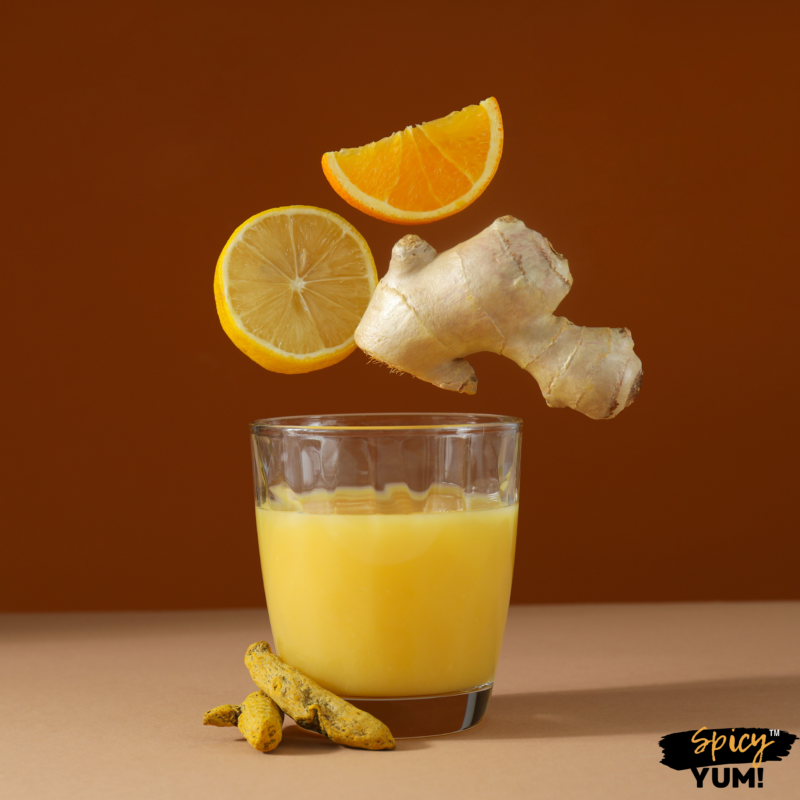
With its antibacterial and antiviral properties, ginger is a great addition to your cold and flu defense plan—especially in soothing teas with honey and lemon.
May Help Regulate Blood Sugar and Cholesterol
Some studies suggest ginger can help improve insulin sensitivity and lower bad cholesterol levels, though more research is still ongoing.
How to Use Ginger in the Kitchen
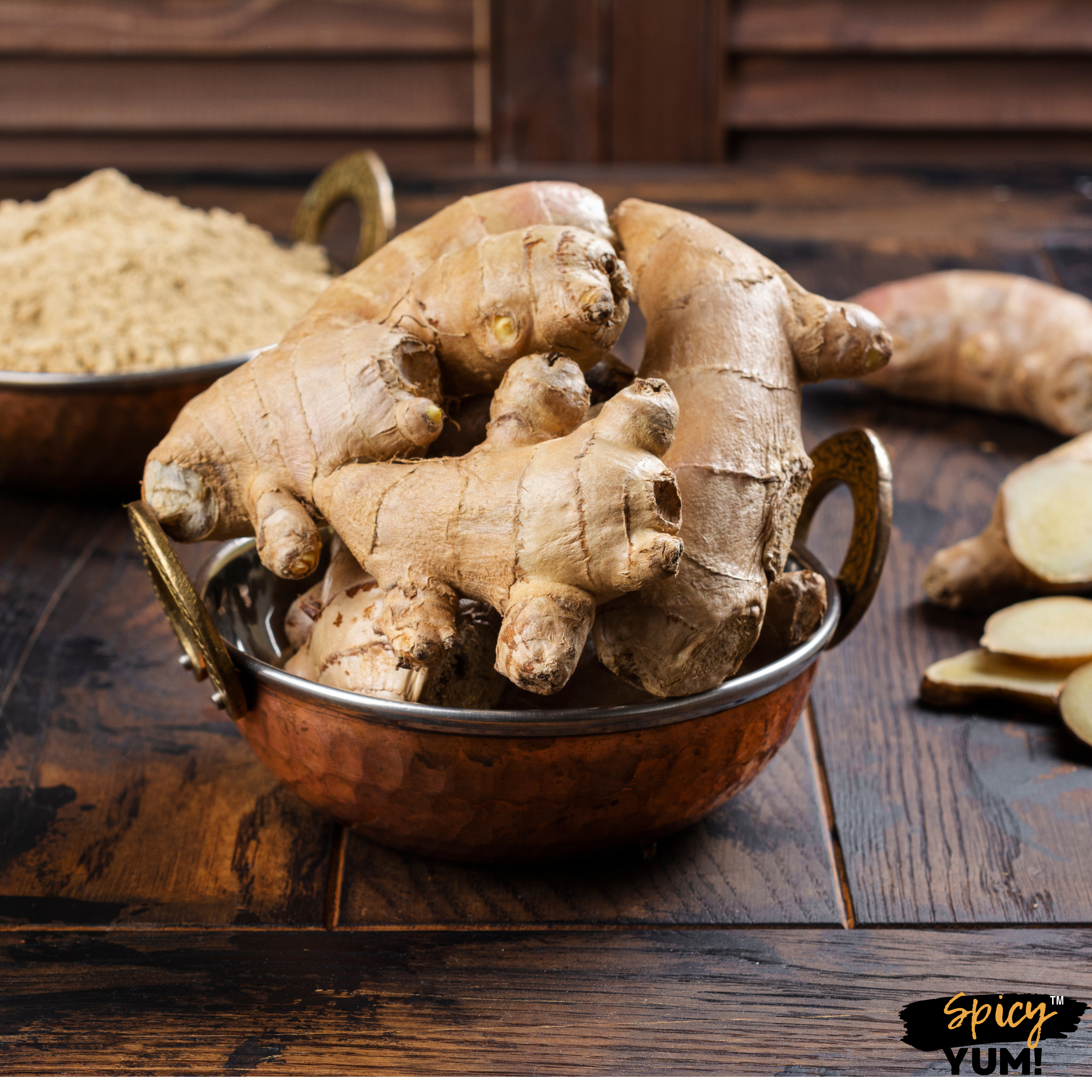
Ginger is incredibly versatile. It can be used fresh, dried, powdered, or even as an oil or juice.
Fresh Ginger:
- Grate it into stir-fries, soups, or marinades.
- Brew into a tea with lemon and honey.
- Use slices in rice dishes or steam with fish.
Dried or Ground Ginger:
- Add to baked goods like gingerbread, cookies, and muffins.
- Sprinkle into spice blends and dry rubs.
- Mix into chai tea or golden milk.
Ginger Paste or Juice:
- Perfect for sauces, curries, or smoothies.
- Use as a base for salad dressings or marinades.
Simple Ginger Tea Recipe
Ingredients:
- 1 tbsp freshly grated ginger (or 2-3 slices)
- 2 cups water
- Honey and lemon (optional)
Instructions:
- Bring water and ginger to a boil.
- Lower heat and simmer for 10–15 minutes.
- Strain and pour into a cup.
- Add honey and lemon to taste.
Perfect for warming you up on a cold day or soothing your stomach after a big meal.
Beyond the Kitchen: Other Uses for Ginger
Ginger isn’t just for food—it also makes an appearance in skincare, hair products, and natural remedies.
- Ginger oil is used for massages to ease muscle aches.
- Ginger scrubs help improve circulation and brighten skin.
- Hair products with ginger may help stimulate growth and reduce dandruff.
You’ll even find ginger in herbal supplements and detox drinks because of its metabolism-boosting and anti-inflammatory effects.
A Root That Keeps on Giving
Whether you’re cooking a pot of pepper soup, baking ginger cookies, or brewing a cozy cup of tea, ginger brings both flavor and function. It’s one of those rare ingredients that works just as well in sweet and savory dishes as it does in home remedies and wellness rituals.
From ancient kitchens to modern-day recipes, ginger continues to earn its place as a golden root of health, warmth, and taste.
A Quick Tip from Spicy Yum!
When buying ginger, choose roots that are firm and smooth with a spicy scent. Avoid ones that feel soft or have wrinkled skin. Store fresh ginger in the refrigerator or freezer to keep it fresh longer!
Looking for top-quality ginger powder or dried ginger slices? Check out the Spicy Yum! shop for all your spice essentials—sourced with care and packed with love.
